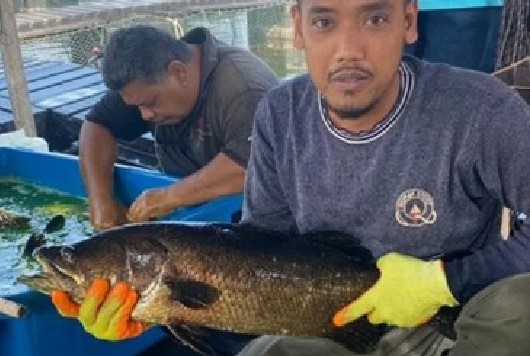
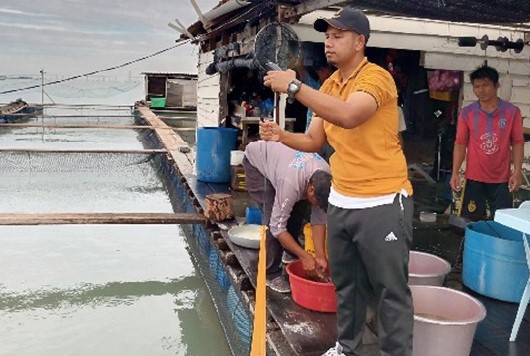
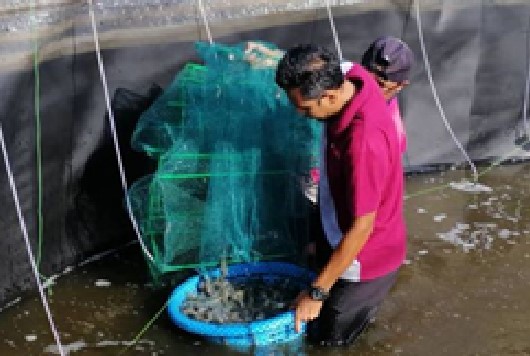
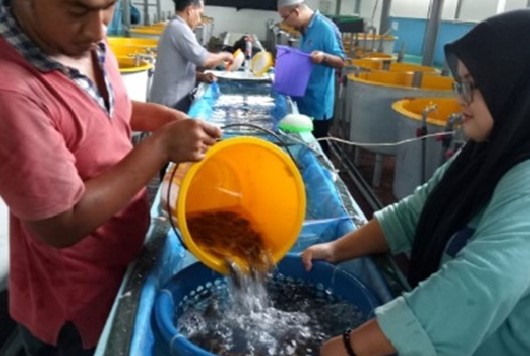
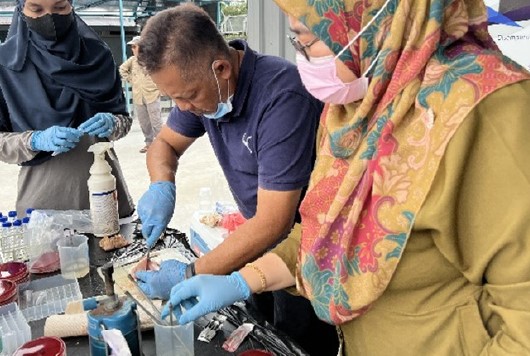
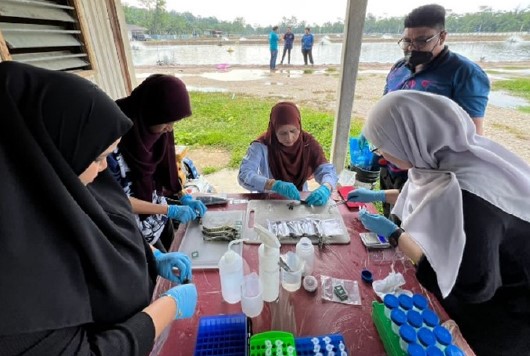
Aquaculture is one of the activities that meets the UN Sustainable Development Goals (SDG) in terms of supporting food security, poverty eradication, generating business opportunities plus other benefits. The main goal of aquaculture R&D is to sustainably empower the country’s aquaculture sector to guarantee sufficient and quality protein sources. Aquaculture R&D is carried out at FRI Glami Lemi, FRI Tanjung Demong, FRI Gelang Patah, FRI Pulau Sayak, Langkawi Research Station and FRI IPP Bintawa.
In the 12th Malaysia Plan, there are four main scopes of aquaculture R&D which are:
Development of fish breeding and technology (tilapia, grouper, sea bream, tiger prawn, lobster)
Livestock technology (super intensive livestock, RAS, mechanization and automation of aquaculture)
Cost-effective fish feed formulation and development of high density and hygienic live feed
Development of new sources of aquaculture (fish, catfish, sea urchins, seaweed)
Capture Fisheries
Capture Fisheries
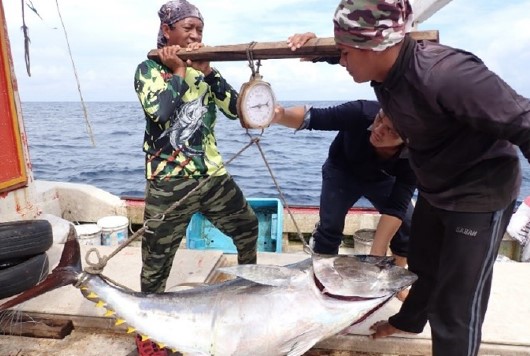
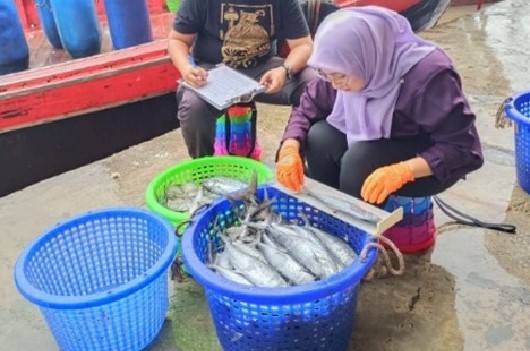
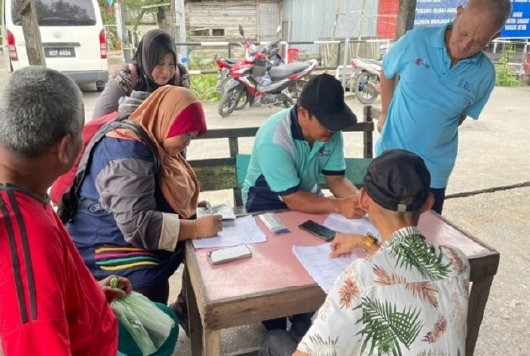
Currently, captured fisheries contribute to 70% of fish production in Malaysia. Assisting in identifying the right management policies and strategies and ensuring that management and policy formulation are based on strong scientific empirical data is the main goal of capture fisheries research apart from increasing knowledge of the natural status and dynamics of fisheries.
In order to achieve these objectives, in the 12th Malaysia Plan, capture fisheries R&D targets several main research scopes, namely:
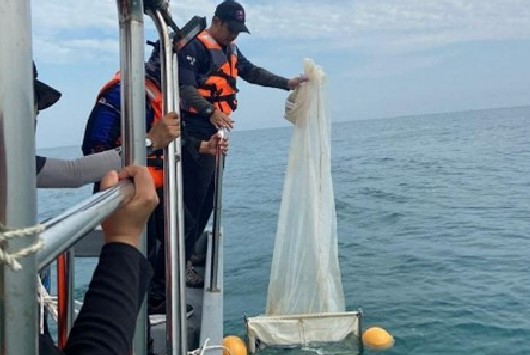
Determination of the current marine fisheries resources
Resources and biology of major commercial species
Development of resource-friendly fishing gear and evaluation of new fishing gear
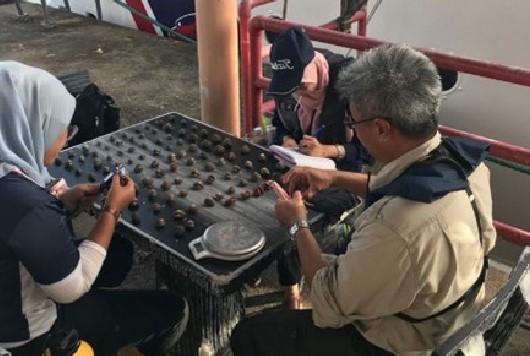
Mapping of shellfish resources
Anthropogenic and Natural Pollution Impact Assessment
Anthropogenic and Natural Pollution Impact Assessment
Rapid development is often associated with various negative impacts on the aquatic environment. This is further complicated by the challenges of natural phenomena such as climate change, global temperature rises and so on. Since the aquatic environment is the heart of life, impact assessment needs to be systematically and scientifically evaluated so that aquatic flora and fauna, fish sources for food, the income of fishermen and farmers can be preserved and managed sustainably.
In the 12th Malaysia Plan, natural and anthropogenic pollution impact assessment research focuses on 5 main research scopes, namely:
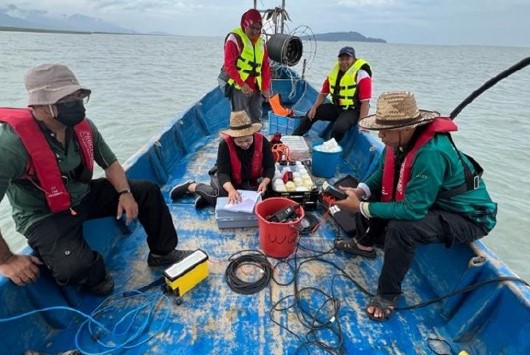
Ecology, water quality, coastal oceanography and shellfish farming
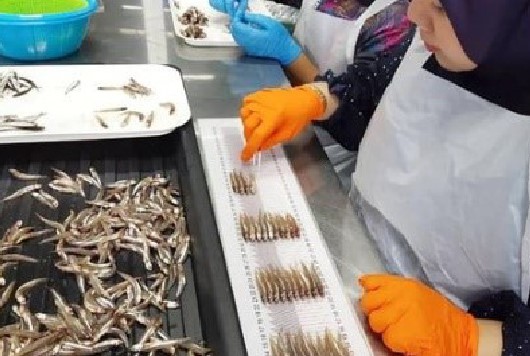
Application of molecular biology in species identification and fishery stock management
Fish Health Management
Fish Health Management
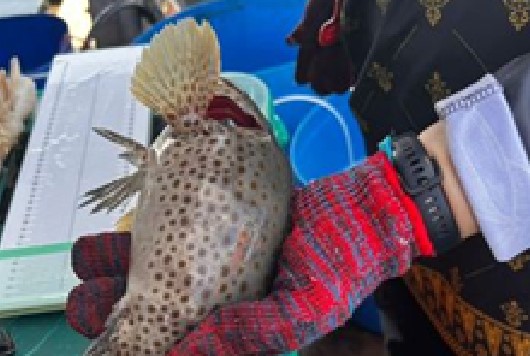
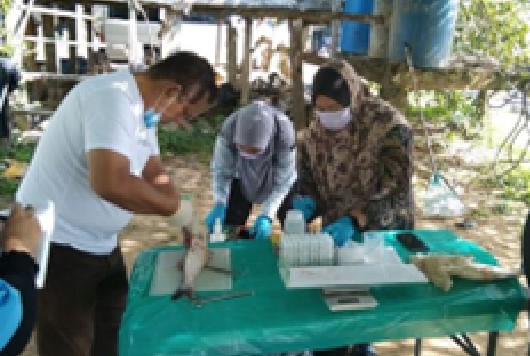
Fish diseases are one of the serious threats that prevent optimal productivity and economic returns in the fishing industry. With the intensification in the production system as well as the emergence of new diseases, the threat of disease becomes more significant. Fish health research aims to improve disease eradication, diagnosis efficiency and fish health management in Malaysia.
In the 12th Malaysia Plain, the three principal scopes of R&D are:
Determination of risk factors for the occurrence of diseases of economic interest
Development of aquaculture disease prevention/control methods
Aquaculture alternative treatment
Marine Parks
Marine Parks
Marine parks are among the most productive ecosystems in the world with a variety of resources and services. Therefore, the marine park needs to be preserved and managed well so that all activities and changes that occur in the marine park do not threaten and harm the resources, can maintain the existing benefits and increase the potential for future use.
In order to support this mission, the scope of research carried out under this core is:
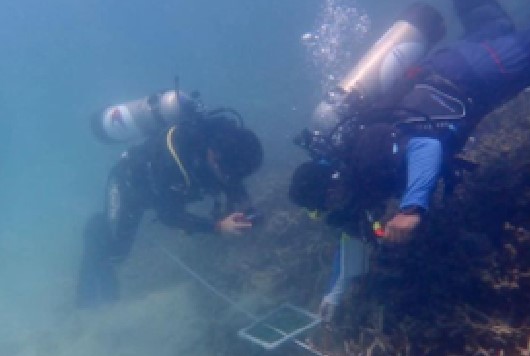
Coral reef health status
Inventory of coral species, reef fish and selected marine invertebrates
Biomass and density of reef fish
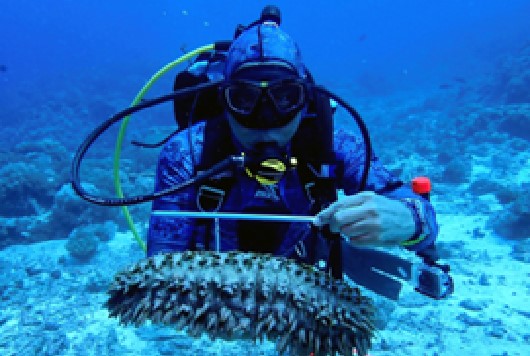
Stock status and sea urchin population
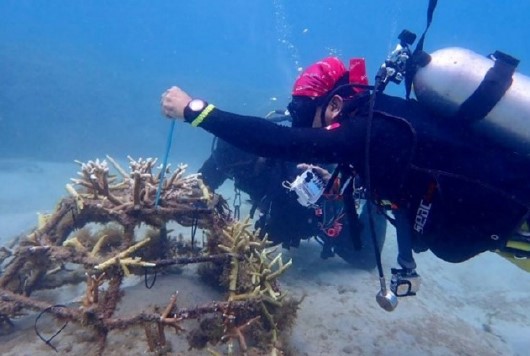
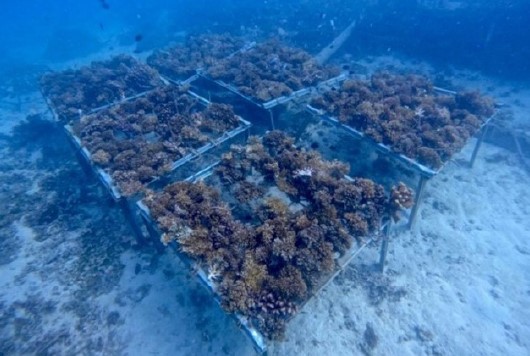
Coral restoration/rehabilitation.
Turtles and Threatened Marine Mammal Species
Turtles and Threatened Marine Mammal Species
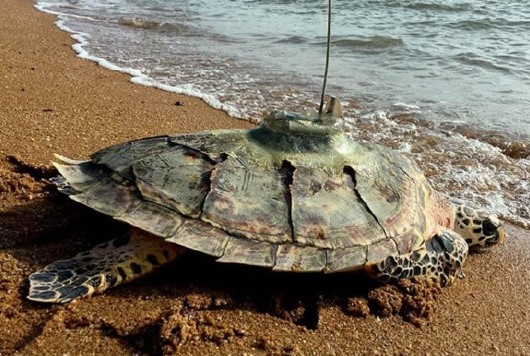
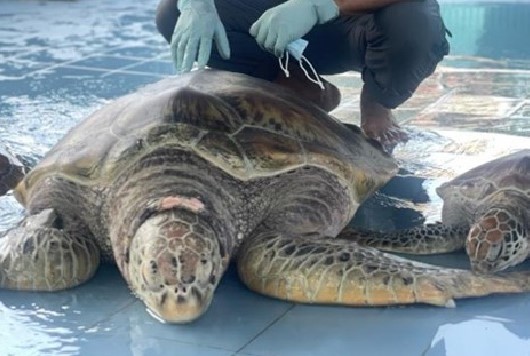
Turtles and endangered marine mammal species are two aquatic animals protected under the Fisheries Act 1985. FRI Rantau Abang, Terengganu is the only FRI that focuses on R&D on turtles and endangered marine mammal species, besides being responsible as the Rescue Reference Centre for these two aquatic species.
Among the R&DS scopes carried out under this thrust are:
Behavioral studies
Geographic distribution, life cycle
Threat to the population
Health status and treatment
Studies in this field are expected to provide input in identifying factors that contribute to population decline, such as climate change, habitat degradation, pollution, and human activity.