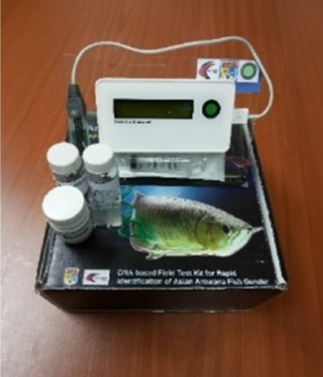
Gender determination of Arowana is important in obtaining maximum fertilization results. This can be achieved by having an optimal male to female parent ratio in the pond. However, male and female Arowana are difficult to distinguish with the naked eye. Sex determination based on physical phenotype is only suitable for mature fish (age 3-4 years) with 50-60% accuracy and is highly dependent on farmers experience. Gender identification with molecular biological methods is more accurate (> 95%), however requires expensive and highly technical equipment and takes quite some time (2-3 days).

A specific, simple and rapid test kit for the detection of sex and variety of Arowana (Scleropages formosus).
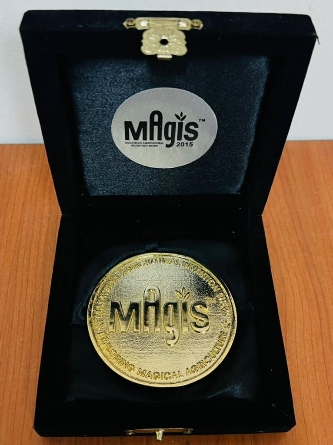
Malaysia Agricultural Invention Show (MAgIS) 2015 - Silver
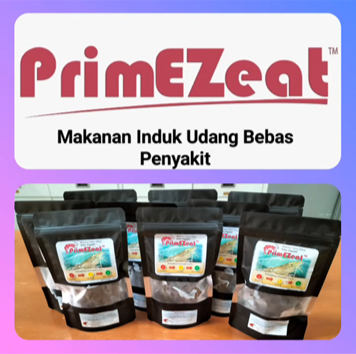
Shrimp broodstock is commonly fed with squid, clams or worms (fresh, unprocessed). This food is often contaminated with pathogens, whether bacteria, parasites or viruses. For this reason, it is not suitable to be used as food because the risks of introducing disease and contaminating the water.

This invention relates to a nutritious composition of shrimp broodstock feed for healthy and increase in spawning performance and also a method for preparing, storing and using this feed. This formulation is called PrimEZeat
The National Innovation & Invention Competition Exhibition, 2018 (iCompEx’18) - Pingat Emas.
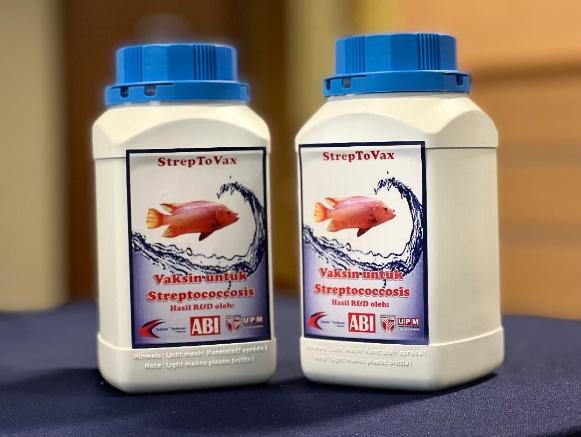
Streptococcosis is an endemic fish disease in Malaysia and often infects tilapia. Serious infections can result in up to 60% mortality or more. The main control method is vaccination. The majority of vaccines in the market are in injectable form. The injection process is complicated and requires a lot of labor and puts stress on the fish.

Vaccine from local bacterial isolates mixed in fish feed to prevent Streptococcosis in fish. This vaccine is called StrepToVax
Malaysia Agricultural Invention Show (MAgIS) 2015 - (Pingat Emas).
The increase in the price of fish meal which is the main source of protein in fish feed formulation has a direct impact on the cost of aquaculture operations. It is estimated that 40-60% of the cost of fish production is from fish feed. Almost all the main raw materials in fish feed such as fish meal, soybean meal and corn are imported. In 2015, animal feed accounted for 30% (RM5.6 billion) of the country's agro-food import deficit. Farmers use a lot of fresh chicken stomachs which are not clean and can damage the environment

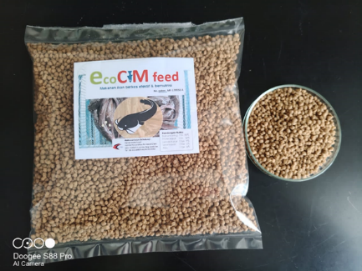
Catfish feed formulated with waste from the chicken processing industry, especially chicken intestines (which are made into flour). This formulation is called EcoCIM Feed
The increasing cost of commercial fish pellets in the market is well known. Small and medium-scale fish farmers are unable to bear this and choose to produce farm-made pellets. However, most farmers seldom have a background in electrical and mechanical engineering. Only extruder machines are suitable for producing embossed pellets. However, existing extruder machines in the market operate with a three-phase, 415-volt electricity supply. Fish ponds and cages are usually located in remote area and only have a single-phase power supply (240 volt). R&D by the FRI, DOF with the assistance of the Malaysian Nuclear Agency was able to develop a prototype extruder to produce floating pellets. However, the one-phase inverter technology only works to move the machine but not to push the feed premix through the machine and still depends on the 3-phase supply. Further R&D by the FRI, using capacitors and electrical control panels successfully able to produce floating pellet through the MSPEX machine using 1-phase electricity supply.
Currently, there is no specific diet for freshwater fish breeders on the market. Hatchery operators all use commercial feed for livestock that does not meet the optimal nutritional requirements of the parent for the purpose of gonad development and quality seeds. In addition, additives in commercial diets for the purpose of promoting the maturation of fish parents such as arachidonic acid (ARA) are expensive and usually from unclean sources such as pig liver.

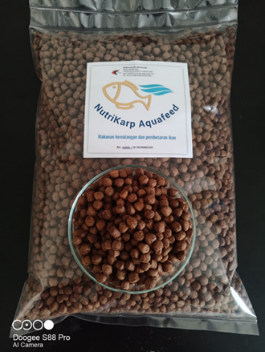
Formulation of maturation diet for carp (particularly Kelah (Tor sp.) using ingredients from reliable sources and cheaper. This formulation is called NutriKarp Aquafeed
As commercial pellets in the market are getting more expensive, most local farmers are switching to farm-made fish feed. However, they face difficulties in producing their own farm-produced pellets conventionally. Most of them do not have basic knowledge in formulating nutritionally balanced fish feed. In addition, the cost of getting individual ingredients at retail is high and difficult.

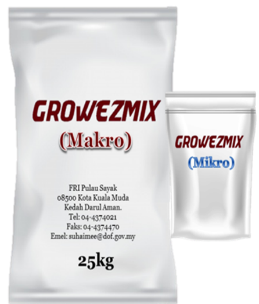
Instant pre-mix of fish food that can help farmers prepare their own farm-made fish pellets. This formulation is named GrowEZmix